Diesel Engine Car

How Does a 4WD System Work?
Diesel Engine Car

How Does a 4WD System Work?

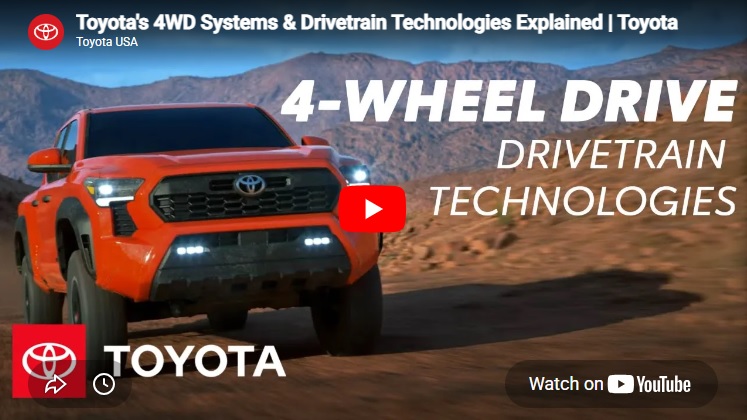
This video provides an overview of Toyota’s body-on-frame 4WD systems and drivetrain technologies. It highlights the fundamental differences between Part-Time 4WD and Full-Time 4WD configurations, explaining how transfer cases, planetary gear sets, Torsen center differentials, active traction control (A-TRAC), and locking differentials function to optimize performance across various terrain conditions.
How Does a Diesel Engine Work?
Diesel Engine Car

How Does a Diesel Engine Work?

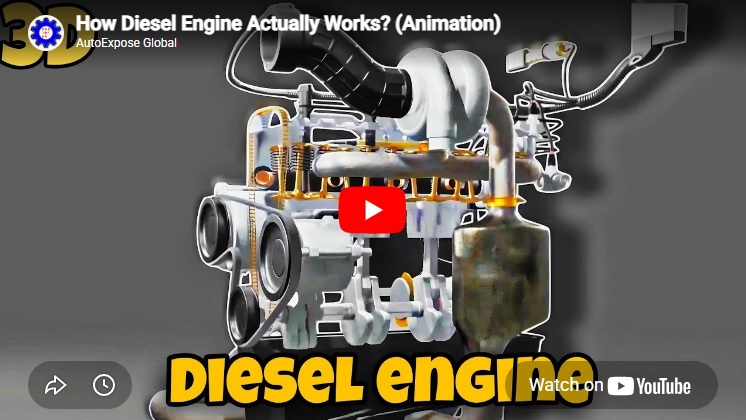
This animated guide explains the fundamental mechanics and operational principles of a 4-stroke diesel engine. It highlights the main technical difference between gasoline and diesel engines—specifically, how diesel engines utilize high compression and self-combustion (auto-ignition) without needing spark plugs. The video details the primary engine components (pistons, cylinder block, cylinder head, valves, injector, connecting rod, and crankshaft) and walks through the 4-stroke cycle: Intake, Compression, Power, and Exhaust.

What is the Difference Between Gasoline and Diesel Engines?
Diesel Engine Car

What is the Difference Between Gasoline and Diesel Engines?

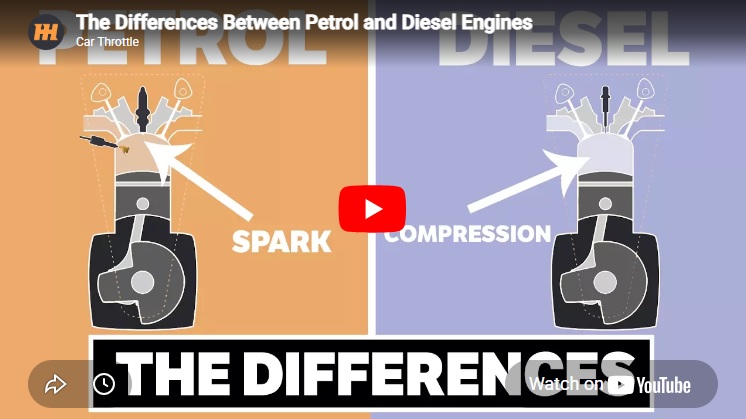
This video provides a concise breakdown of how petrol (gasoline) and diesel internal combustion engines differ in operation, ignition mechanics, throttle control, engine braking, and overall fuel efficiency. While both rely on the standard four-stroke combustion cycle, they differ fundamentally in compression ratios, ignition methods (spark plug vs. compression ignition), air/fuel intake management, and energy density.

How Does a Diesel Engine Work Differently from a Gasoline Engine?
Diesel Engine Car

How Does a Diesel Engine Work Differently from a Gasoline Engine?

This video explains the fundamental mechanical differences between gasoline and diesel engines. While both rely on a four-stroke internal combustion cycle (Intake, Compression, Combustion, Exhaust), diesel engines operate at much higher compression ratios and ignite fuel using intense heat from compressed air alone rather than a spark plug. This design yields significantly higher torque and fuel efficiency at the cost of added weight and a lower engine RPM range.

Scroll to Top