Engines 101: How Does a Diesel Engine Work? | Toyota
Learn what sets diesel fuel engines apart from the rest. Watch the video on a breakdown of all things you need to know about diesel fuel engines.
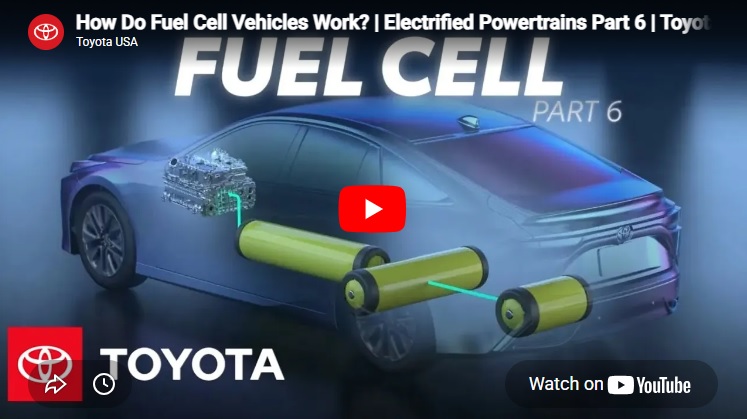
Toyota’s commitment to electrification made it a pioneer. With the fuel-cell electric system, Toyota offers a powertrain that combines faster refueling, similar to a gasoline-powered vehicle, with the throttle response and zero emissions of an all-electric vehicle.
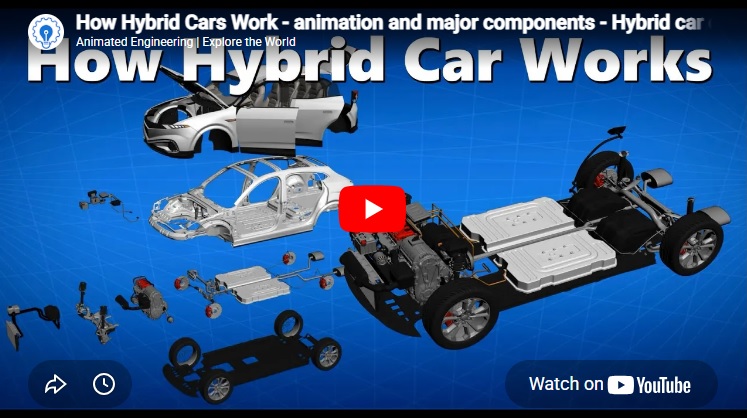
How Hybrid Cars Work – Hybrid cars explained and major components. With hybrid car animation in the video, the contents include an introduction of the major components on a hybrid car:
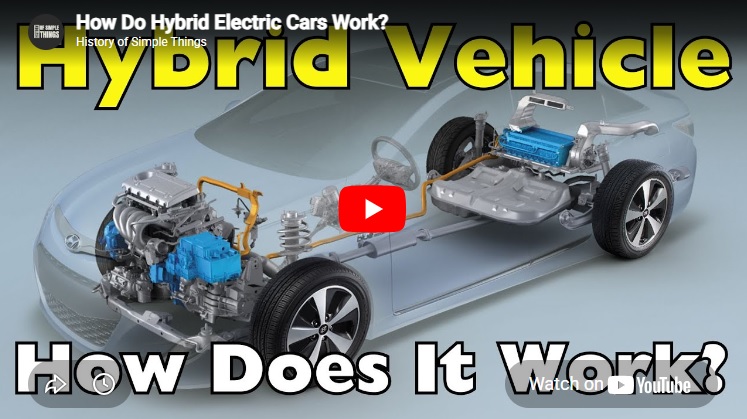
Hybrid vehicles are everywhere, but how do they actually work? From their seamless transition between gasoline and electric power to the magic of regenerative braking, we’re breaking down everything you need to know about hybrid cars. Whether you’re considering buying one or just curious, this video has you covered!
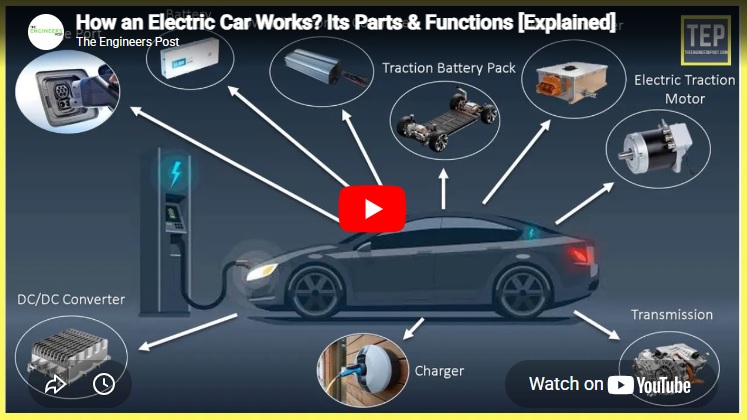
Electric cars plug into a charge point and take electricity from the grid. They store electricity in a rechargeable battery that powers an electric motor, which spins the wheels. Electric cars run faster than vehicles with conventional fuel engines – so they feel lighter to drive.
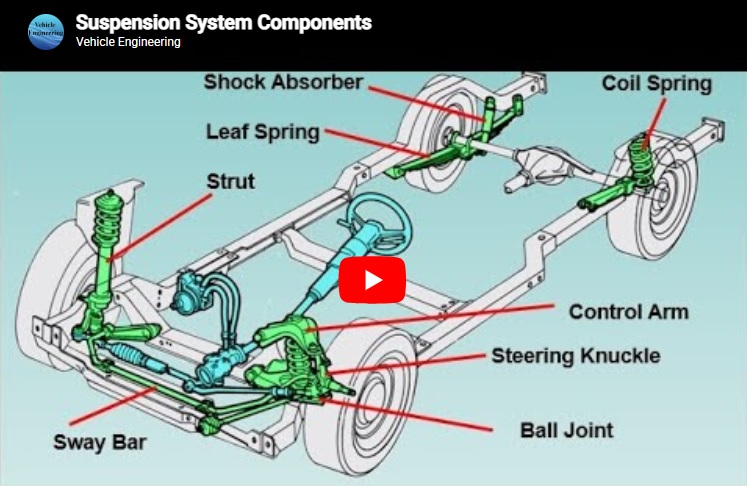
This video utilizes 3D animation to thoroughly explain the primary components, functions, and operating mechanics of a vehicle’s suspension system—the system responsible for ride comfort, steering stability, and tire traction. It details links like the steering knuckle, control arms, and ball joints, alongside four distinct types of springs, sway bars, and various damping assemblies (shock absorbers, coilovers, and struts).
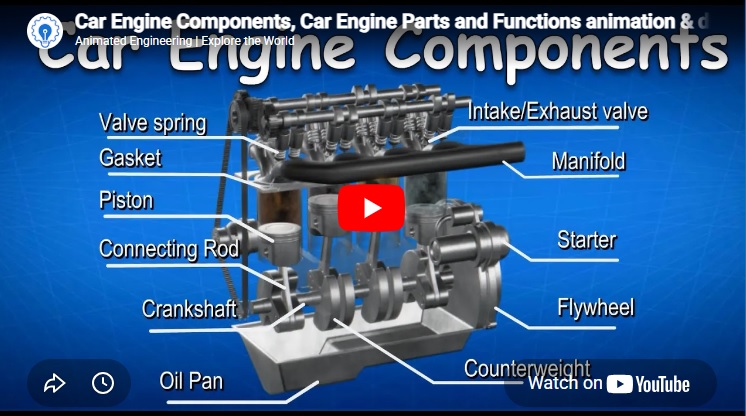
This 3D animation introduces the fundamental components of an internal combustion car engine. It divides the engine into its two primary structural halves—the cylinder block (bottom) and the cylinder head (top)—and outlines how individual moving parts work together to convert the chemical heat energy of an air-fuel mixture into mechanical rotational force.
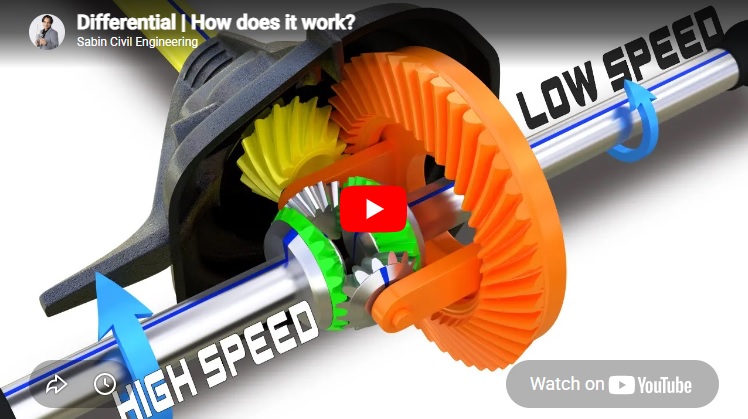
The differential is a fundamental driveline mechanism required in all wheeled vehicles. Its core purpose is to split torque from the engine’s drive shaft to the wheels, allowing them to rotate at completely different speeds (RPMs) while cornering. Without it, the tires would be forced to slip and scrub against the road surface during turns, leading to severe tire wear and unstable handling.
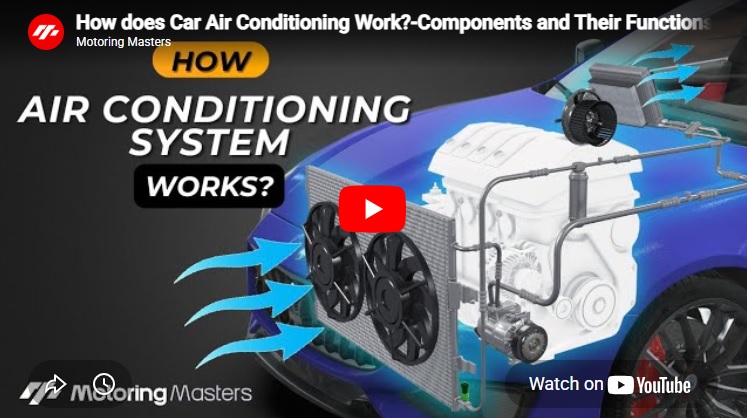
The video delivers a technical breakdown of an automotive air conditioning system, explaining how it manipulates the physical properties of a chemical refrigerant to cool and dehumidify a vehicle’s cabin. The entire operation relies on a continuous loop of pressure changes and phase changes (shifting the refrigerant between liquid and gas states) to transfer heat from the inside of the car to the outside environment.
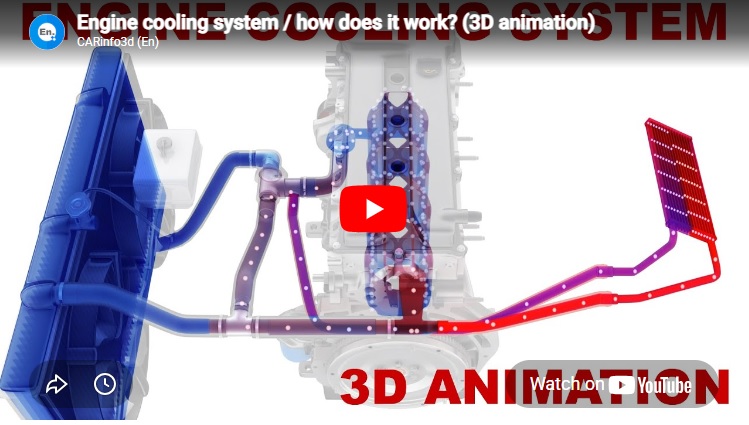
The video uses 3D animation to explain the structural layout and operating principles of a vehicle’s liquid engine cooling system. It details how heat is absorbed from the engine cylinders and managed through short and long circulation loops via a thermostat, radiator, and expansion tank to maintain an optimal operating temperature.